






Equity Research
By:





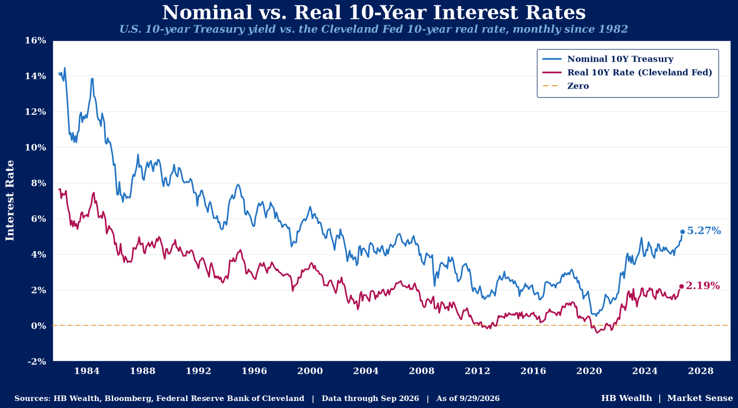
Abstract: Bond Markets Approach Long Term Norms, Surge Mostly on Improving Growth Outlook Rates across the Treasury curve are one the rise, with the 5-year Treasury bond above 5% for the first time since June 2007 after a poor auction showed limited demand for the tenor, the 10-year Treasury now…
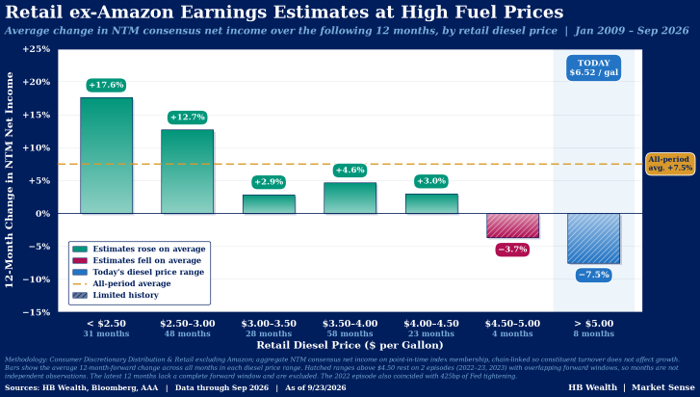
Abstract Since early July, US average diesel prices are up nearly 37% while unleaded gas has risen more than 18%. This is pressuring the consumer from a few different angles. Diesel’s climb has raised shipping costs which could ultimately be passed through to the consumer in end-product prices. Likewise, both…
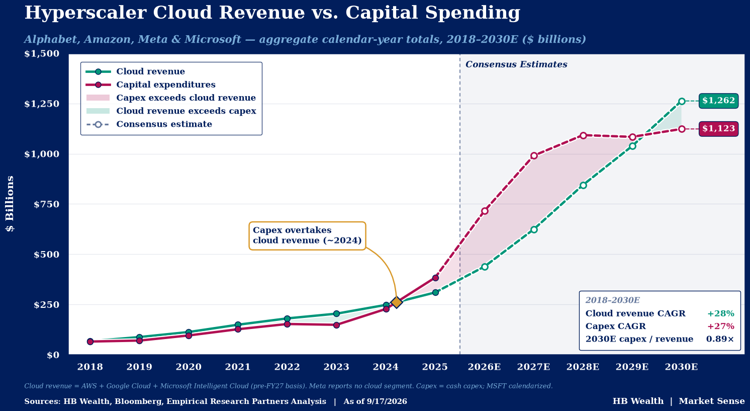
AI model developers are discussing a slower pace of frontier model development as concerns about safety emerge, and markets are nervous this may materially alter the AI trade. While unusual to hear corporations openly advocate for slower growth, paced development may not necessarily be a bad thing for the market,…
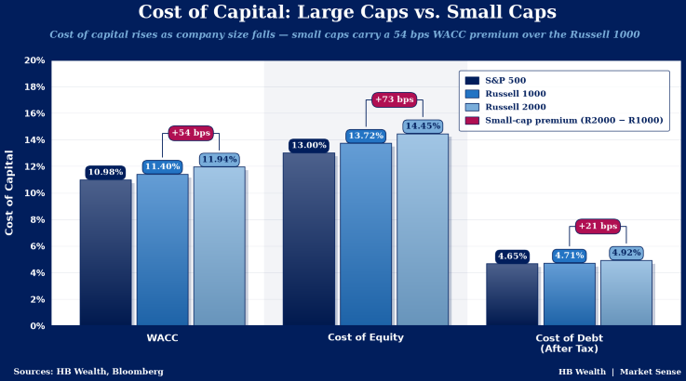
Abstract: Small cap stocks have fared well year to date, powered higher by a resurgence in revenue growth as the AI-infrastructure build has fueled a pickup in economic activity. But as the 10-year has climbed toward 5% recently, the Russell 2000 has lost momentum – bringing into question the size’s…
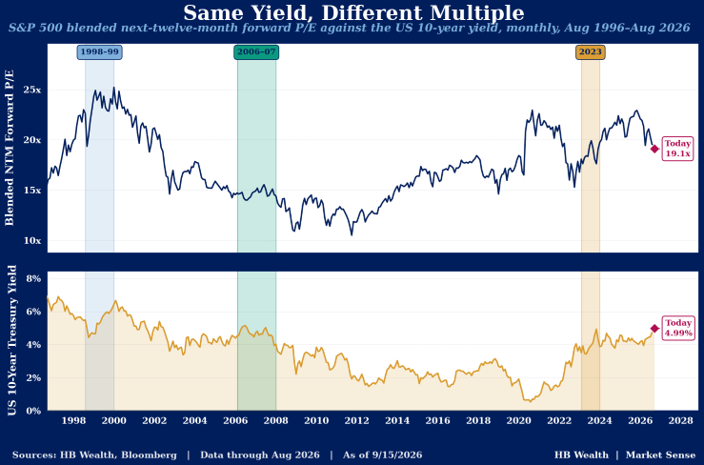
Abstract: Valuations May Remain in a Downtrend with Interest Rates on the Rise The yield on the 10-year Treasury bond is above 5% for the first time since late 2007, as a strong capital spending cycle and rising commodity prices collide with heavy federal debt loads to reduce the appeal…
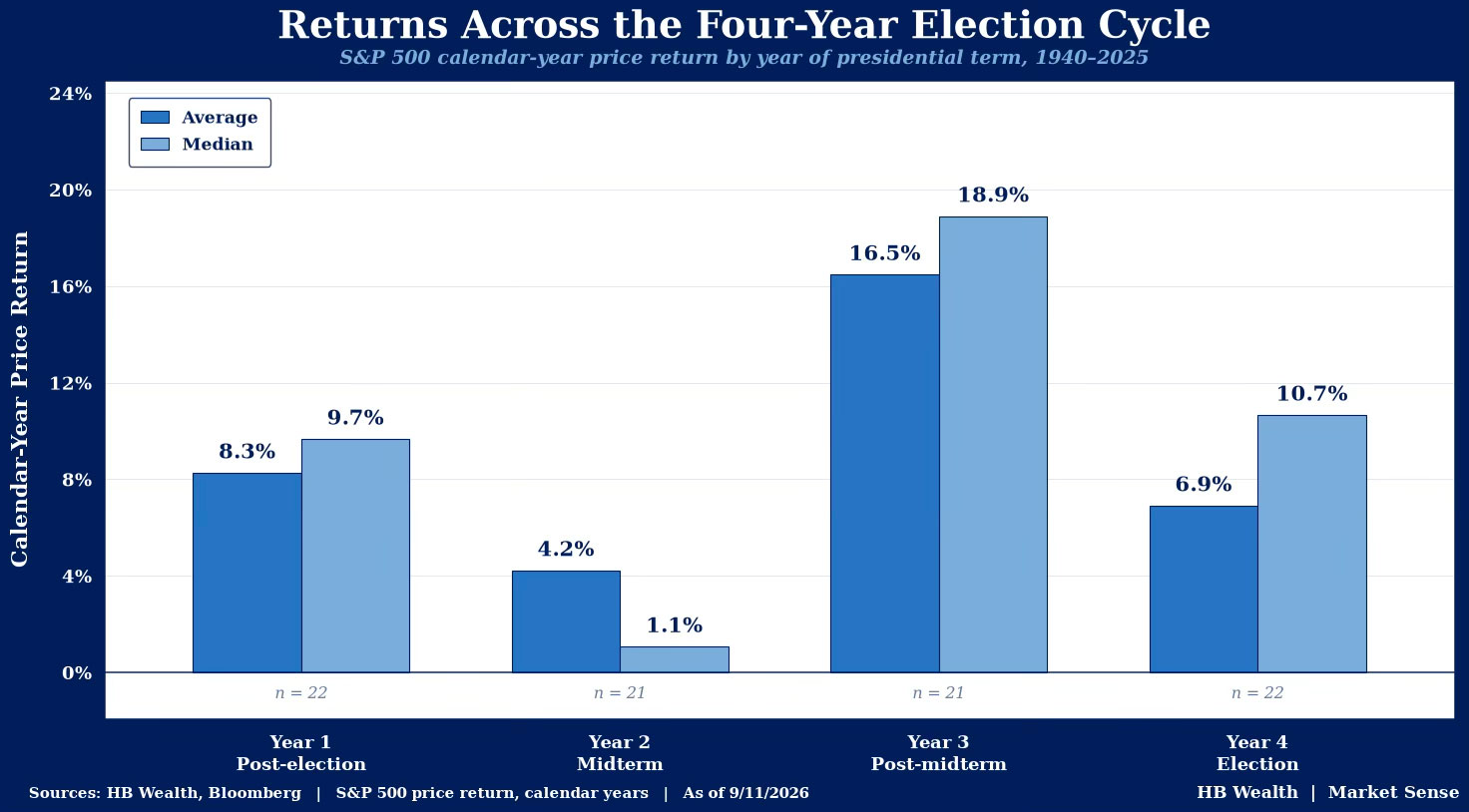
Abstract: Presidential Election Cycle Theory generally supports the outlook for stocks next year. According to the theory, created by Yale Hirsch, inventor of the Stock Trader’s Almanac, stocks follow a four-year pattern. On average, the year after midterms (the third year of a Presidential term) is the strongest of the…
Abstract: SpaceX, Anthropic and OpenAI are getting all the hype but the pipeline of US IPOs appears exceptionally strong amid a resurgence in issuance over the past year. Anthropic is likely to be the next mega-IPO, set to go public in mid-October at a valuation that could possibly top SpaceX’s…

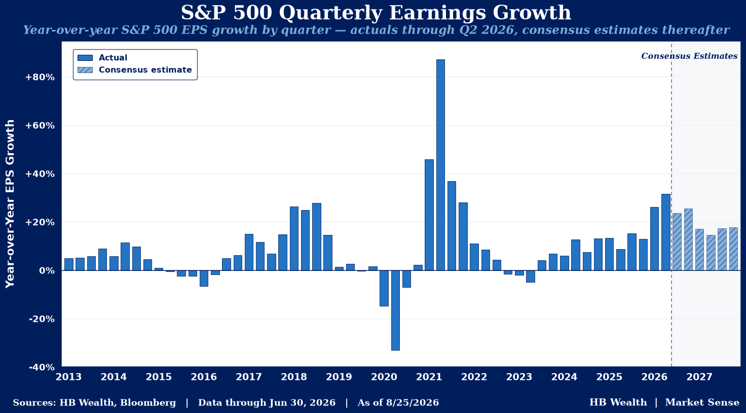
Abstract: The AI-powered earnings advance is the gift that keeps on giving to stocks, as the benefits of elevated capital spending have started to spread beyond the tech sector to impact a broad swath of US companies. Every S&P 500 sector but health care, which faced several large accounting charge-offs…
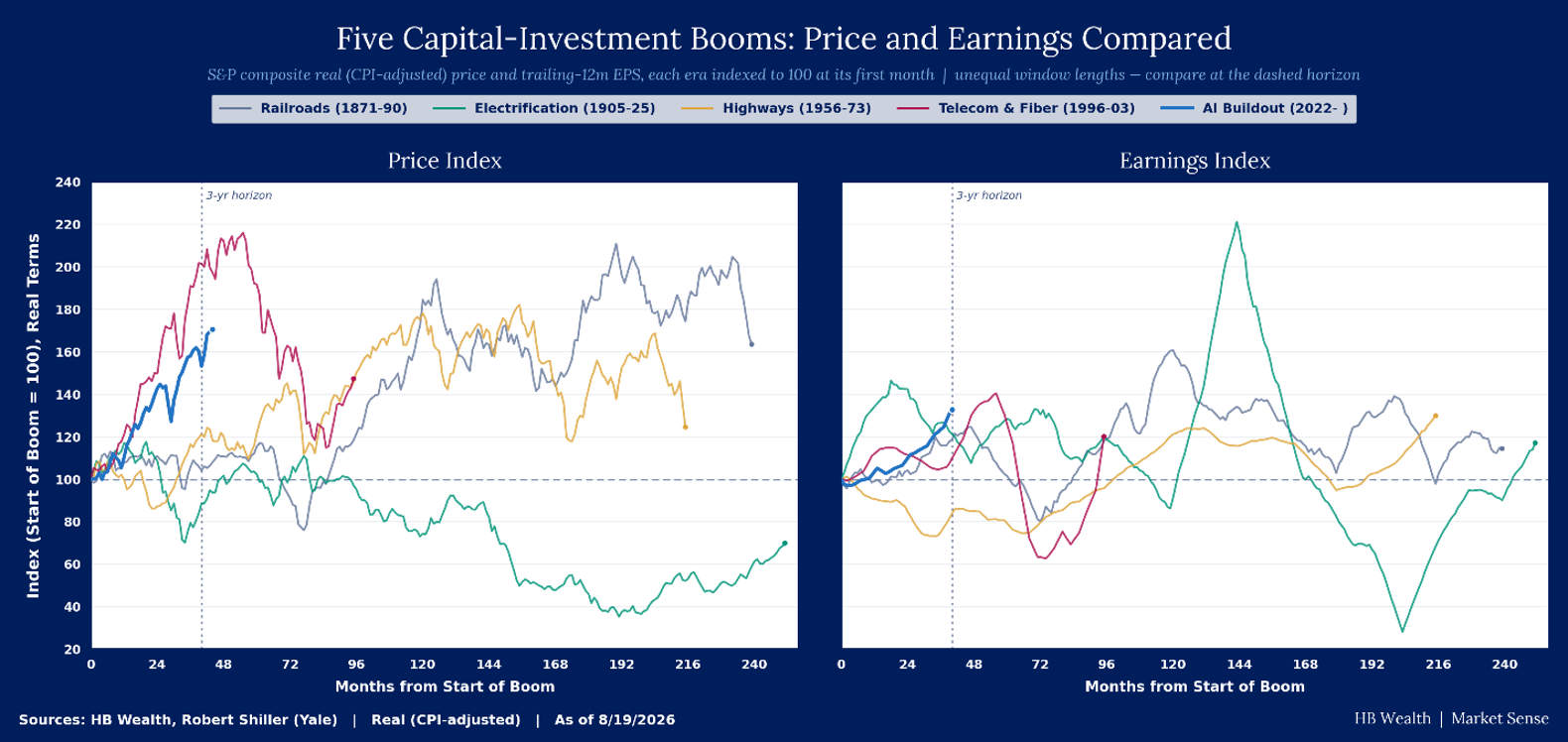
Abstract: Contrary to popular narratives, investment booms of the last 150 years do not show a consistent boom-bust cycle pattern in stocks. Each case recorded a remarkably different price pattern. Some started slow and built equity market optimism over long periods, others raced hard at the start and ended early. …
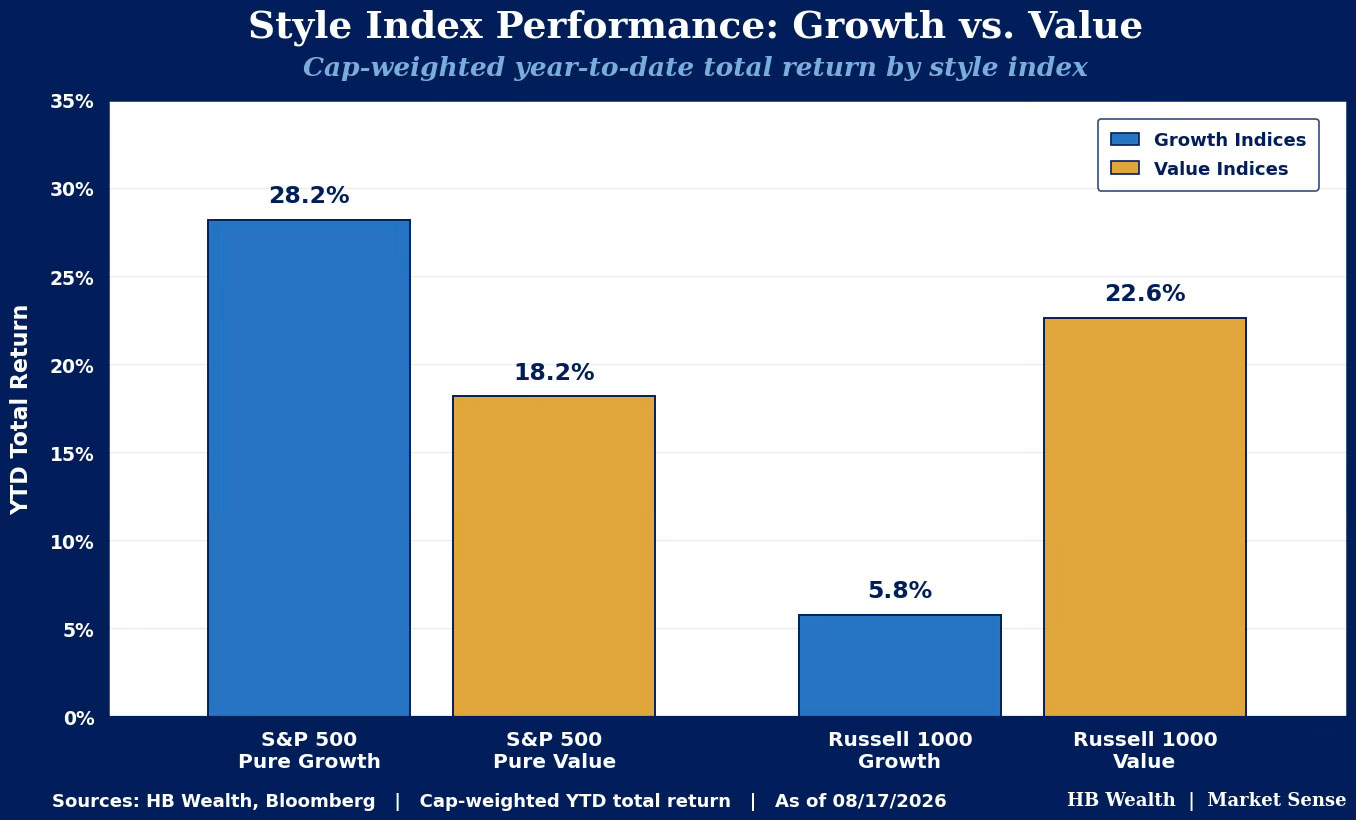
Abstract: Growth and value indices are sending a lot of mixed messages this year. Russell 1000 growth is underperforming its value counterpart by a wide margin, but also underperforming S&P 500 growth, which is in turn outperforming its value counterpart. This begs the question, is growth or value having a…
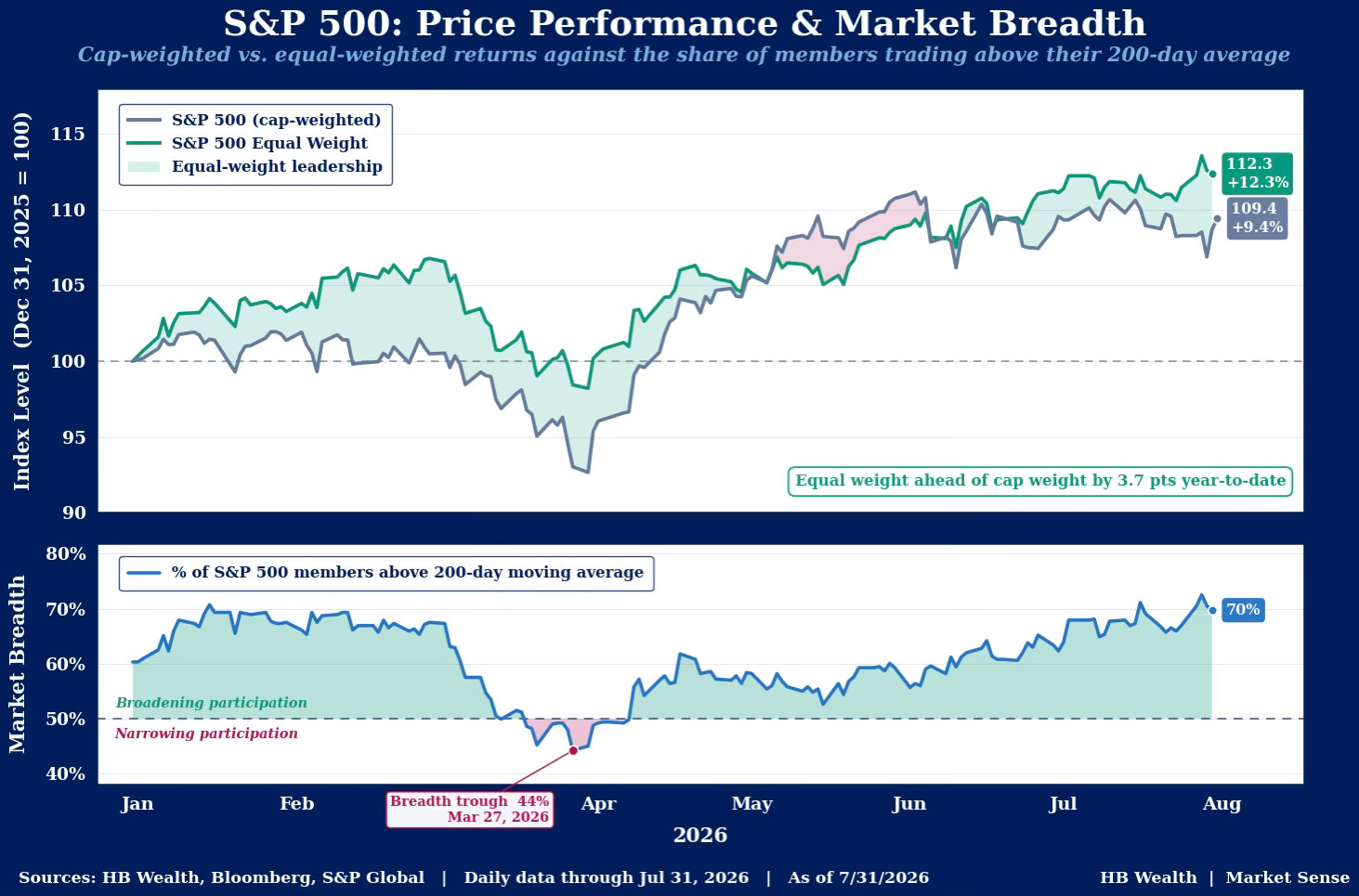
Abstract: Breadth Sending Bullish Cues as Capitalization Distorts Sector View Resurgent price breadth and a preference for smaller-cap shares in 2026 have caused the equal weighted Bloomberg 1000 to outperform its cap weighted peer and are likewise driving some notable sector performance divergences. Breadth has recovered smartly after a huge…
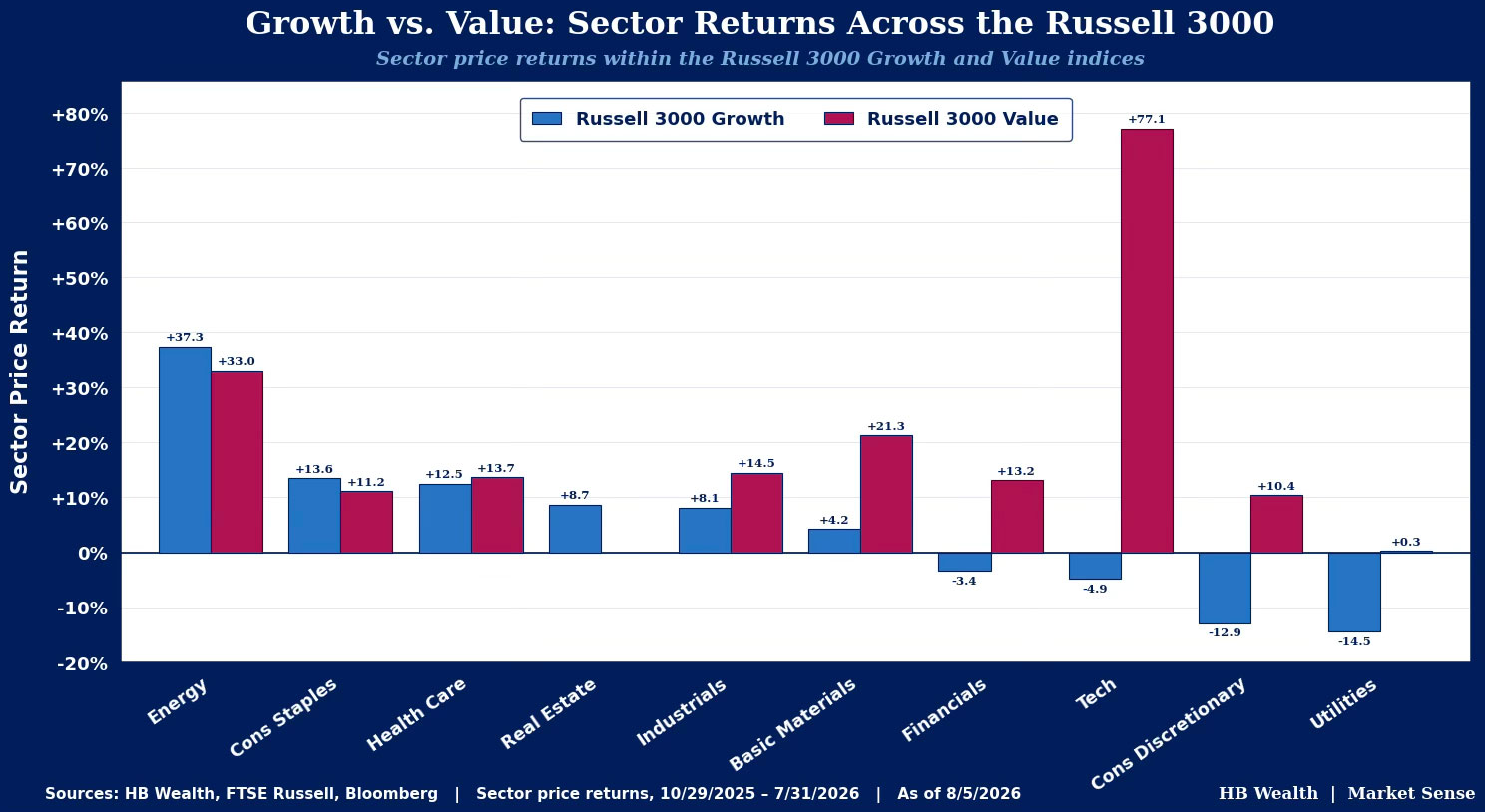
Abstract: July was the worst calendar month for Russell 3000 growth relative to its value peer since 2001, and extends a streak favoring value that began last year. From its peak on October 29, 2025, through the end of July 2026, Russell 3000 growth is down roughly 3% while value…
Abstract: The on-again off-again war between the US and Iran, rising bond yields in the face of sticky inflation pressures, and uncertainty around the future of Fed policy may all continue to have some impact on stocks, but the primary driver of equities has clearly shifted back toward AI this…
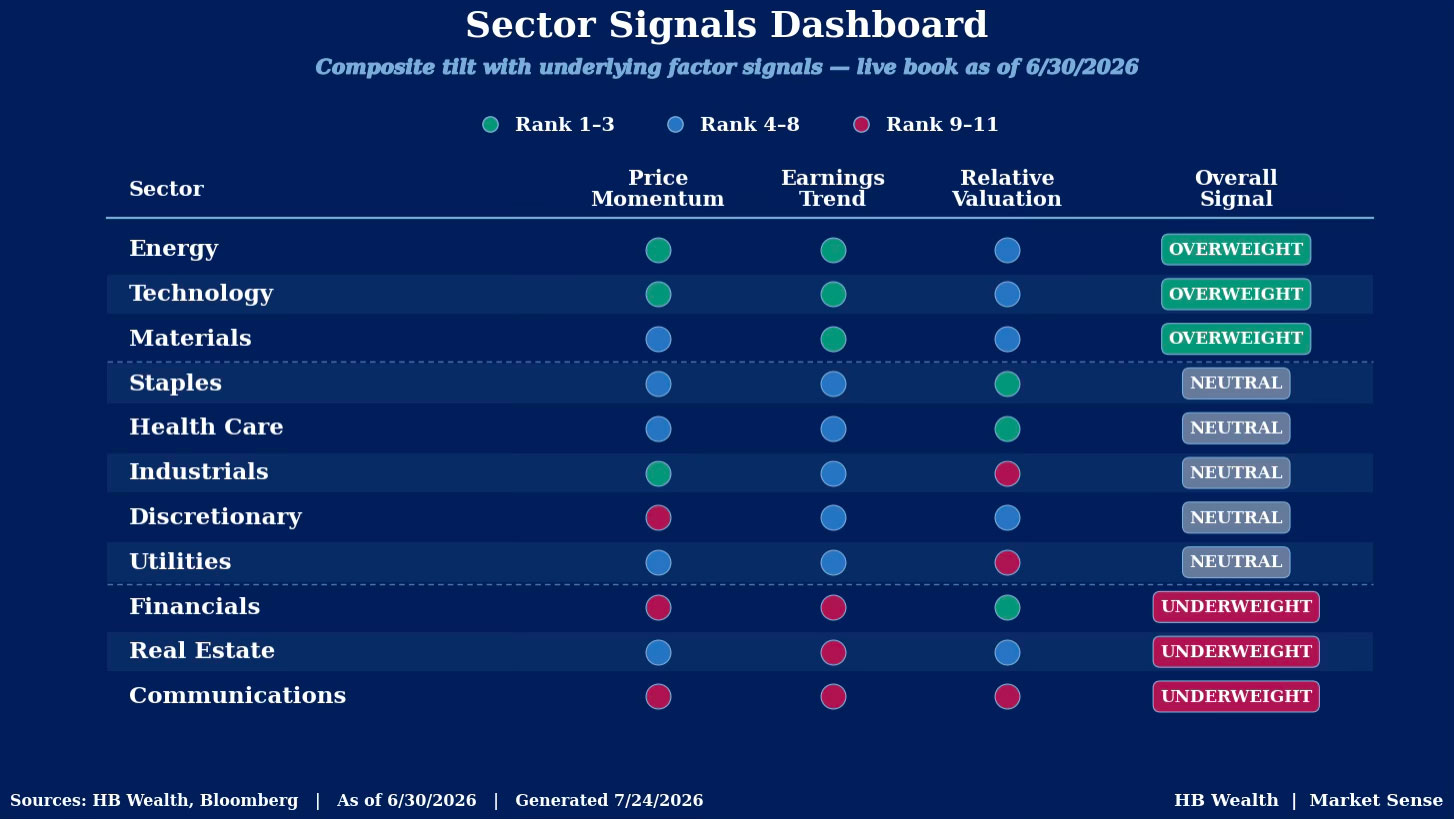
Abstract: It’s too early to give up on year-to-date sector winners in large caps, according to our sector model, which suggests an overweight position in energy, tech and materials – some of the year’s biggest outperformers. Cyclical sectors at the forefront of our model (energy and materials) have fundamentally benefitted…
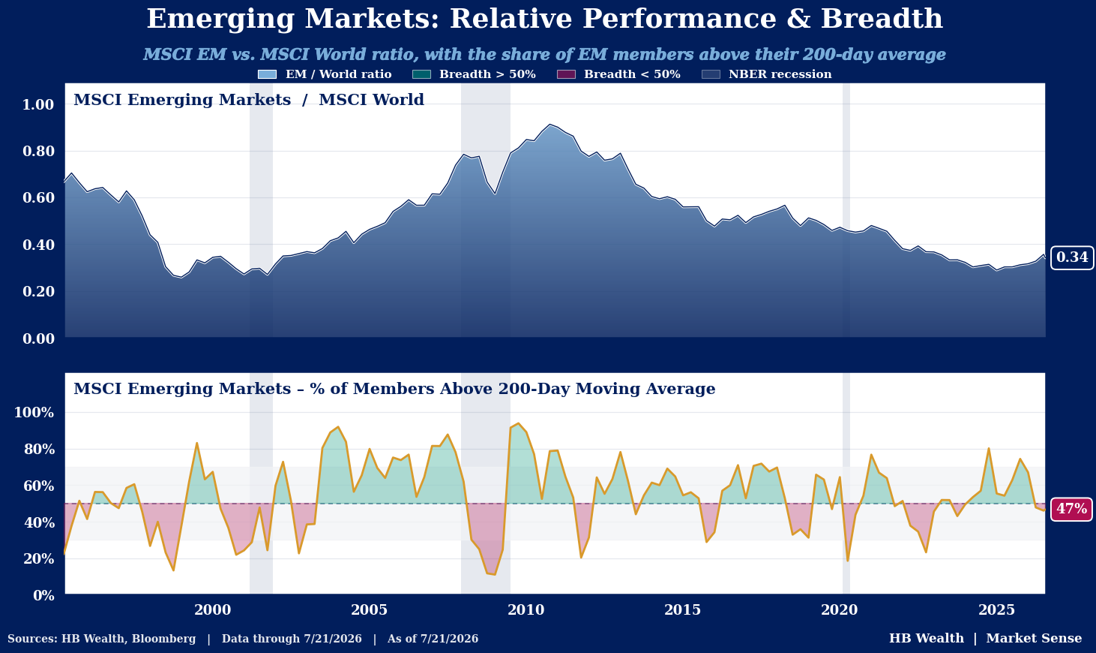
Abstract: AI is Powering Up Emerging Market Index Returns But Leaving Most Stocks Behind Emerging market (EM) equities had a stellar first half of 2026, and with their gain of more than 24% in the first half, have more than doubled the return of developed markets, including the U.S. However,…
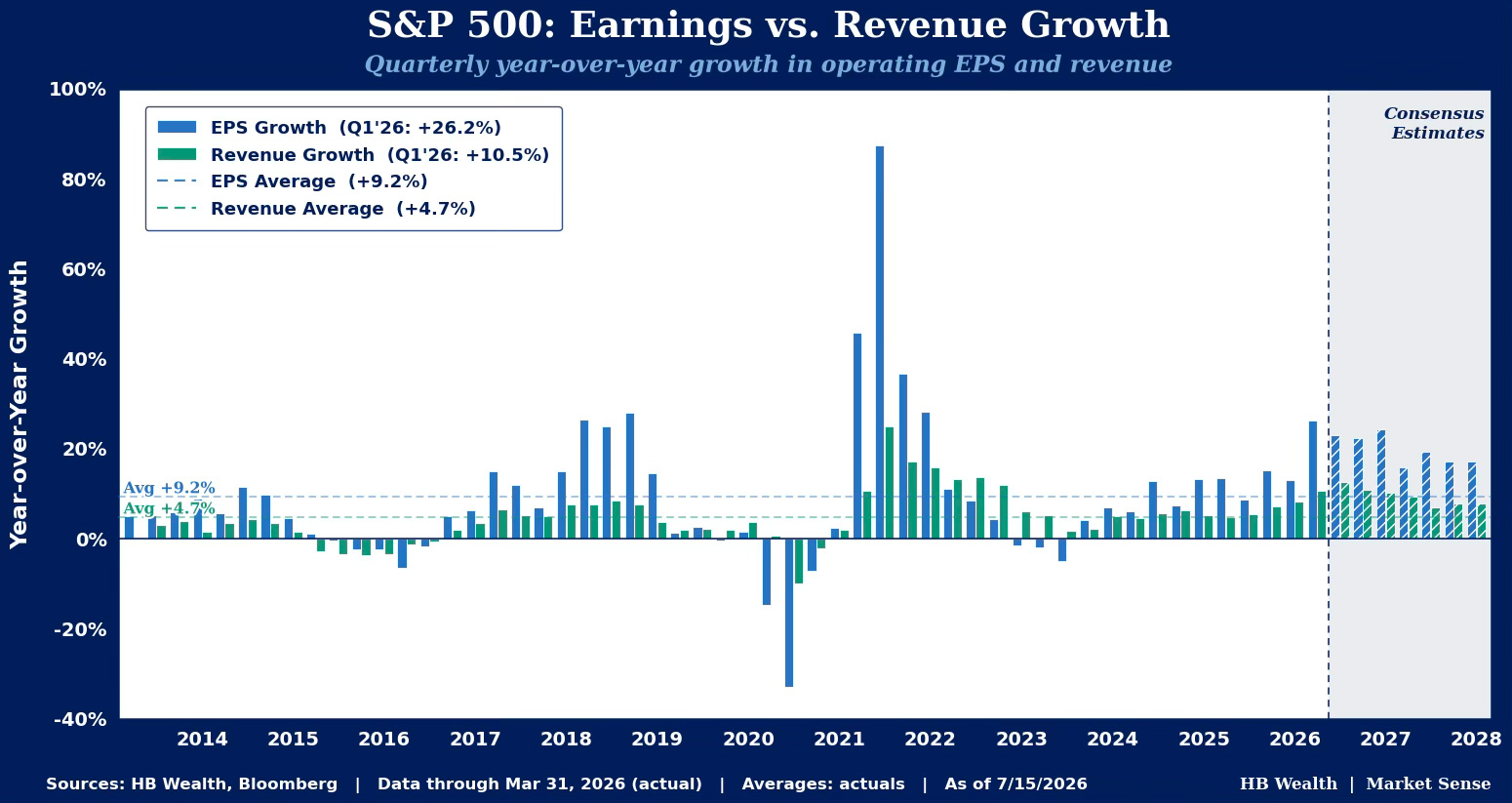
Abstract: The 2Q26 earnings season kicked off on July 14th with JPMorgan and the other largest US banks reporting blockbuster profits – investment banking fees and trading stole headlines with most banks noting that the wave of IPOs and M&A activity along with equity trading volumes contributed significantly to the…
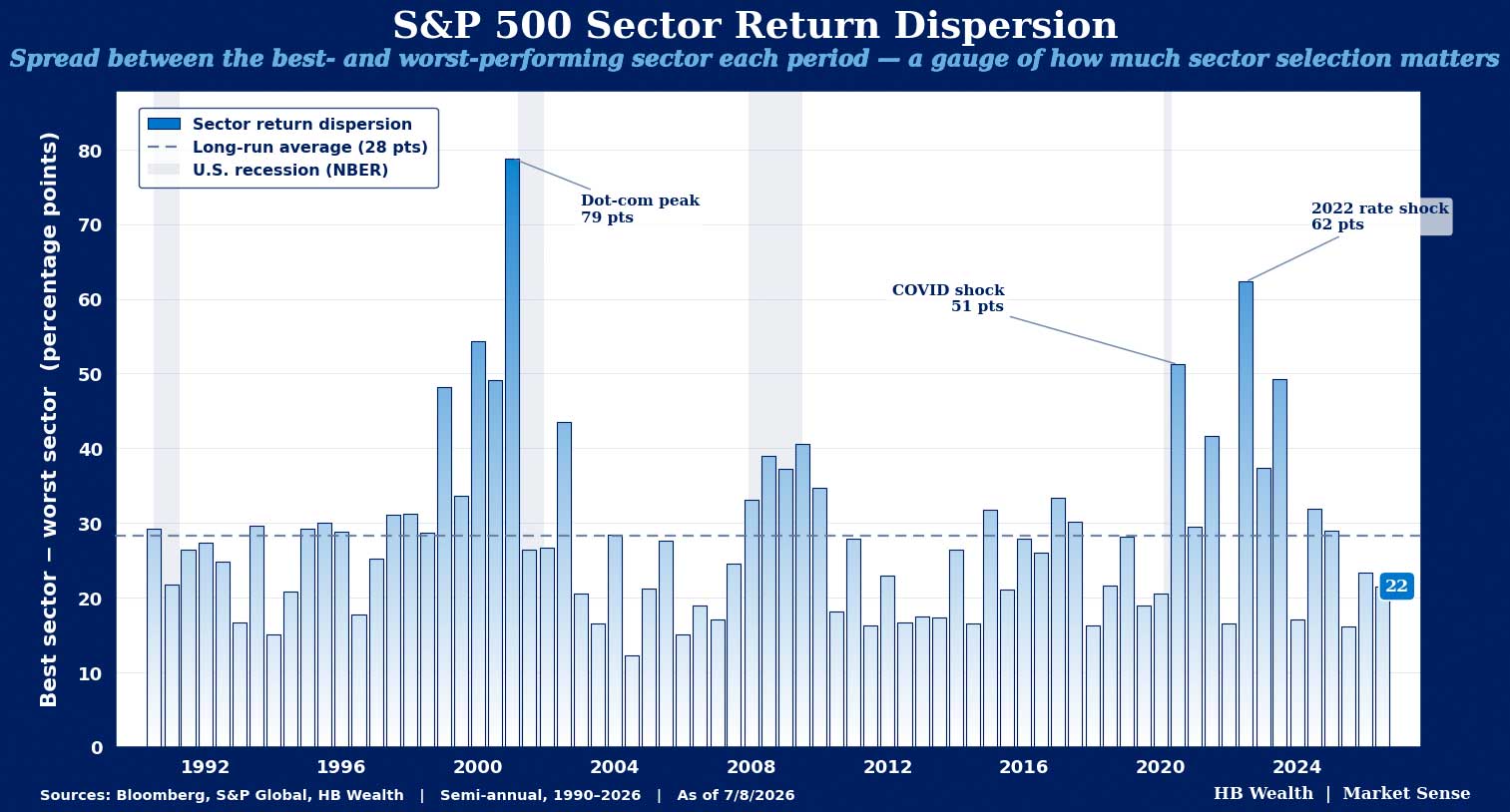
Sector dispersion – measured by the difference between the best and worst performing sectors – has been notably tight relative to longer term norms in 2026 as the rising economic tide may be lifting most “boats” in the equity market. Tight dispersion normally occurs in the early to middle stages…
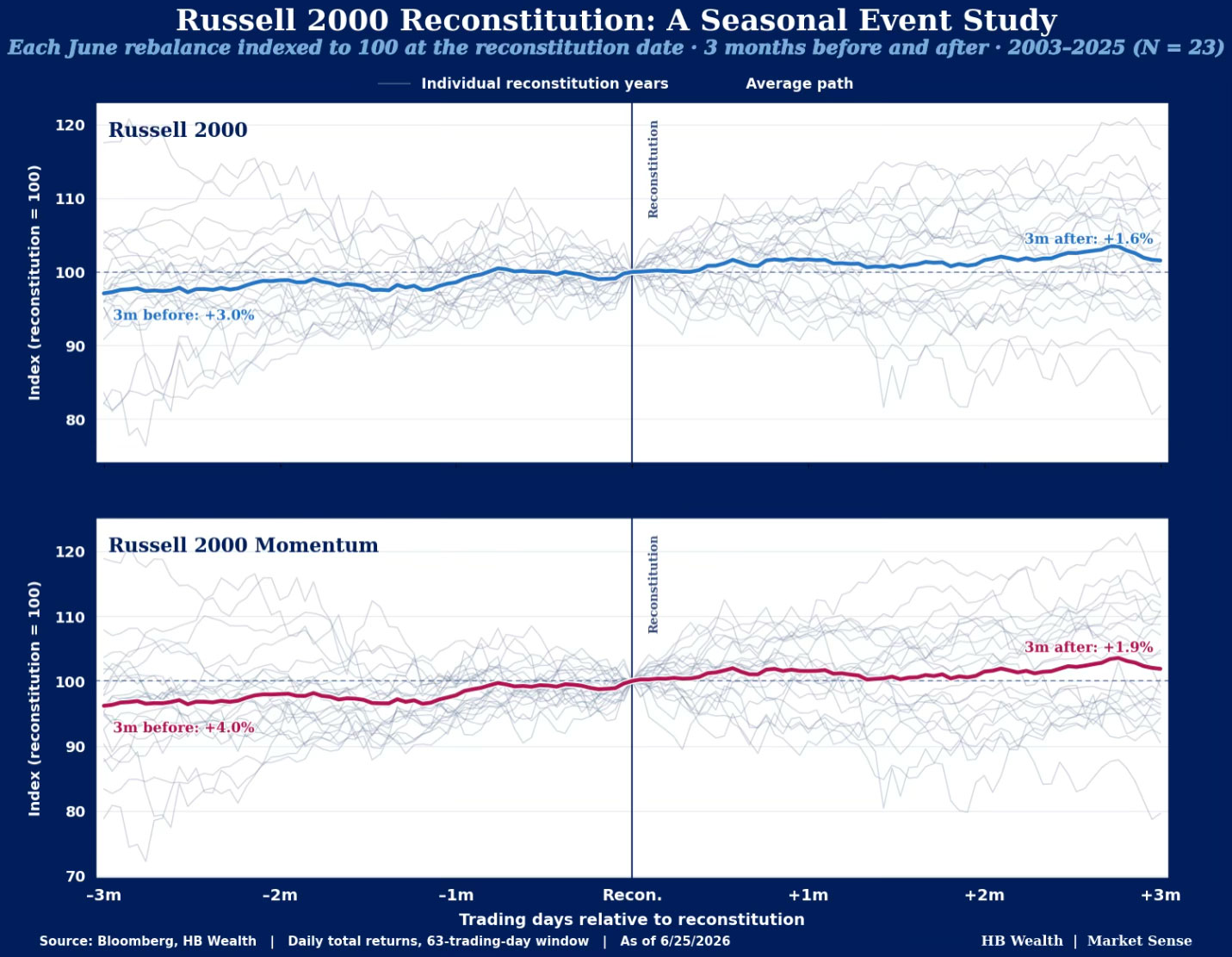
Abstract: Russell’s now semiannual reconstitution will take effect on June 29th and the event looks poised to contribute some volatility to the index this summer as changes take hold. SpaceX will grab all the headlines, officially entering the Russell 1000 after Friday’s close but the real story may be how…
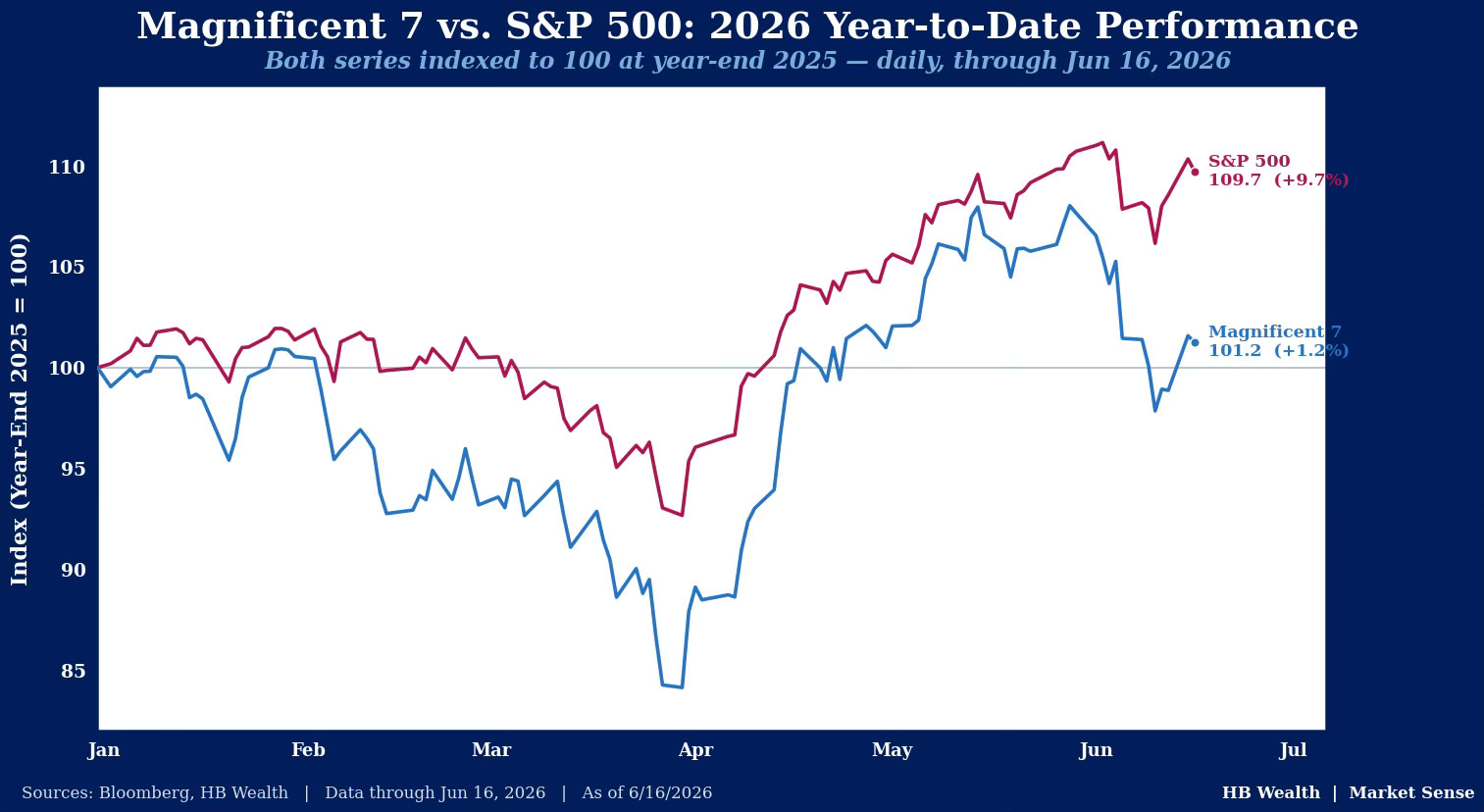
Abstract: The Magnificent-7 has struggled relative to the rest of the market for most of this year, but unlike in 2022, the slowdown in this group is not taking down the market at large. If the consensus of Wall Street analysts is correct, 2Q could be the last quarter of…
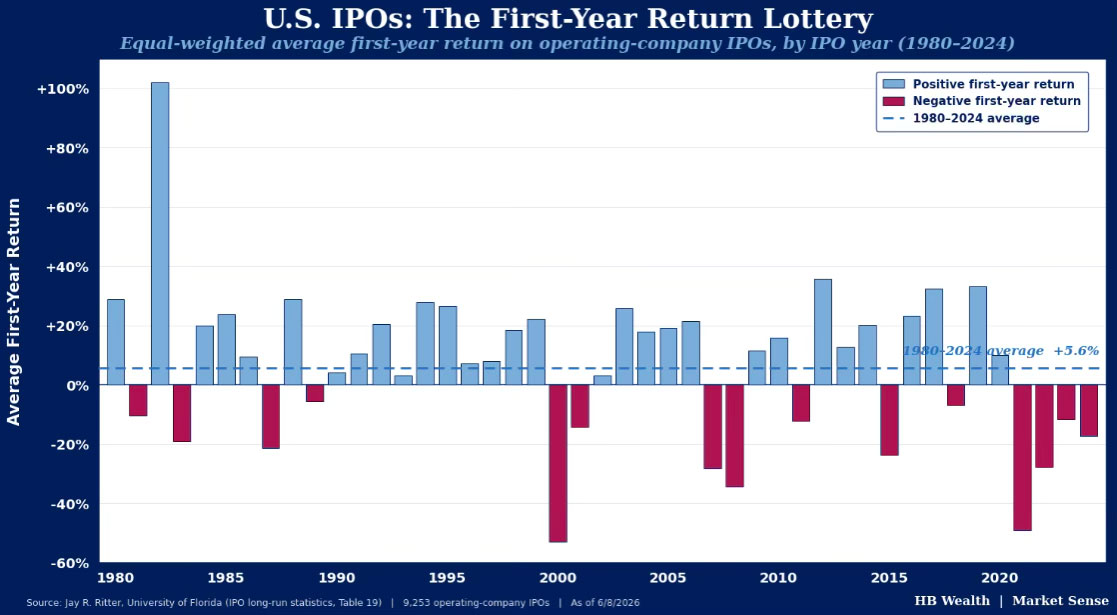
Abstract: SpaceX kicked off what is likely to be a wave of historically large IPOs with its debut on the U.S. market last week. The stock surged 19.2% on its first day of trading, right on the average first-day pop of 19% for IPOs since 1980. New offerings of equities…
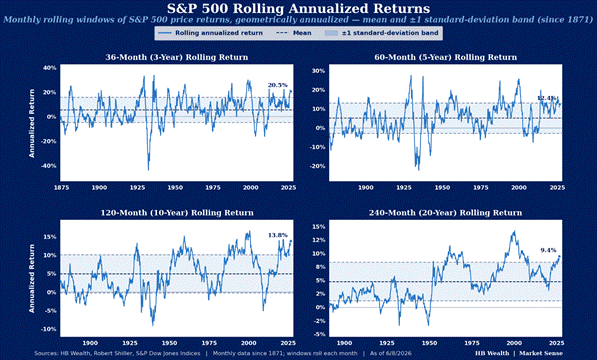
Abstract: U.S. stocks’ multi-year rally looks eerily similar to textbook bubbles that formed ahead of the Great Depression and the dot-com era, but the fundamental contrast to those periods is profound – earnings growth is currently much stronger and companies are significantly less levered than they were at the tail…