






This is the first of four pieces on artificial intelligence (AI) viewed through a wide-angle lens. In our four essays we discuss 1) the history of the technologies of AI and machine learning, 2) the economics of innovation and how automation impacts different sectors of the economy, 3) the effects of productivity-enhancing technologies on the labor force and the possibility AI replacing workers, and 4) the current and future impact of generative AI on the stock market and other investments, with some ideas for how investors can position portfolios both to build resilience and to take advantage of technological change.
Artificial intelligence is often portrayed as a sudden breakthrough poised to reshape the economy overnight. History suggests a more familiar pattern: technological revolutions tend to unfold through cycles of rapid progress, inflated expectations, and gradual economic adoption.
For investors, looking at how past technological revolutions unfolded can help frame expectations for how innovations like AI may influence markets, corporate profitability, and long-term investment opportunities.
Executive Summary
This article examines how the current wave of generative AI fits into the longer history of artificial intelligence development. While recent breakthroughs have captured global attention, the evolution of AI has unfolded over decades through alternating periods of progress, overconfidence, and recalibration.
The origins of artificial intelligence
The field first came together formally in 1956 when researchers across disciplines began to explore whether machines could replicate aspects of human reasoning. Early successes fueled optimism but also revealed how difficult it was to translate theoretical ideas into practical systems.
From rules to learning systems
Later waves of innovation shifted toward machine learning, allowing computers to identify patterns in data rather than relying entirely on deterministic “if-then” programming. Improvements in computing power, data availability, and algorithms gradually expanded AI’s capabilities across many industries.
The rise of generative AI
Recent advances in transformer-based models have enabled systems that can generate text, code, and other content. These tools have made AI far more accessible, allowing users to interact with complex systems using natural language. These technological breakthroughs rely less on complex theory—indeed, the math that powers current-generation AI can be understood by undergrads and advanced high schoolers. Instead, using clever procedural tricks and massive amounts of data and “compute,” new models have unleashed surprising and unforeseen capabilities. These capabilities, however, were always latent in earlier efforts to replicate the thinking structure of biological brains using so-called “neural networks.” Their exponential acceleration in performance, how fast it can continue, and how it might be applied is subject to much debate.
A technology that requires real-world infrastructure
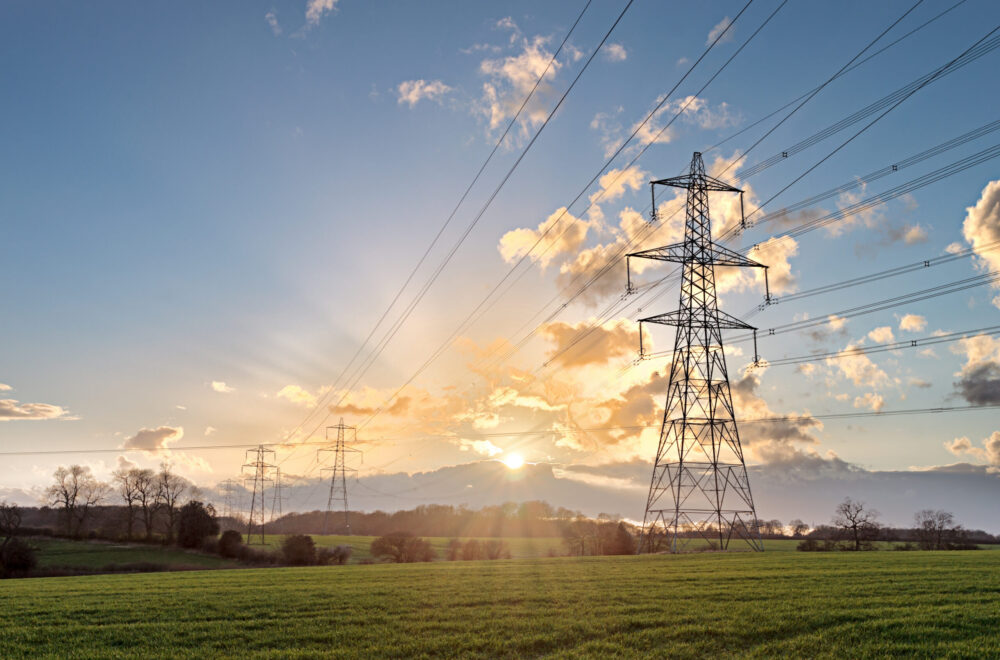
Unlike earlier waves of AI development, today’s systems depend on significant physical infrastructure. Specialized chips, large-scale data centers, and growing energy demands mean that AI increasingly resembles other large technological systems, such as electricity networks or telecommunications infrastructure.
Implications for the economy
History suggests that transformative technologies rarely reshape productivity or labor markets immediately. Instead, their impact emerges gradually as businesses reorganize workflows and complementary innovations take hold.
About the Author
Josh Rowe, Managing Director of Research at HB Wealth, wrote a PhD thesis in the history and economics of technology, focusing on computer automation of office work in the 20th century. He has studied the history of AI, venture capital’s funding of technological innovation, and the impact of technological change on financial markets—both as a resident of the ivory tower and as an investor. This surprising moment in history is the first time that he can say with any confidence that the years he spent in libraries and databases working on a doctoral dissertation might be of any practical use. He used AI in organizing and editing these essays, but the ideas (right and wrong) here are his own.
Read the full whitepaper here.